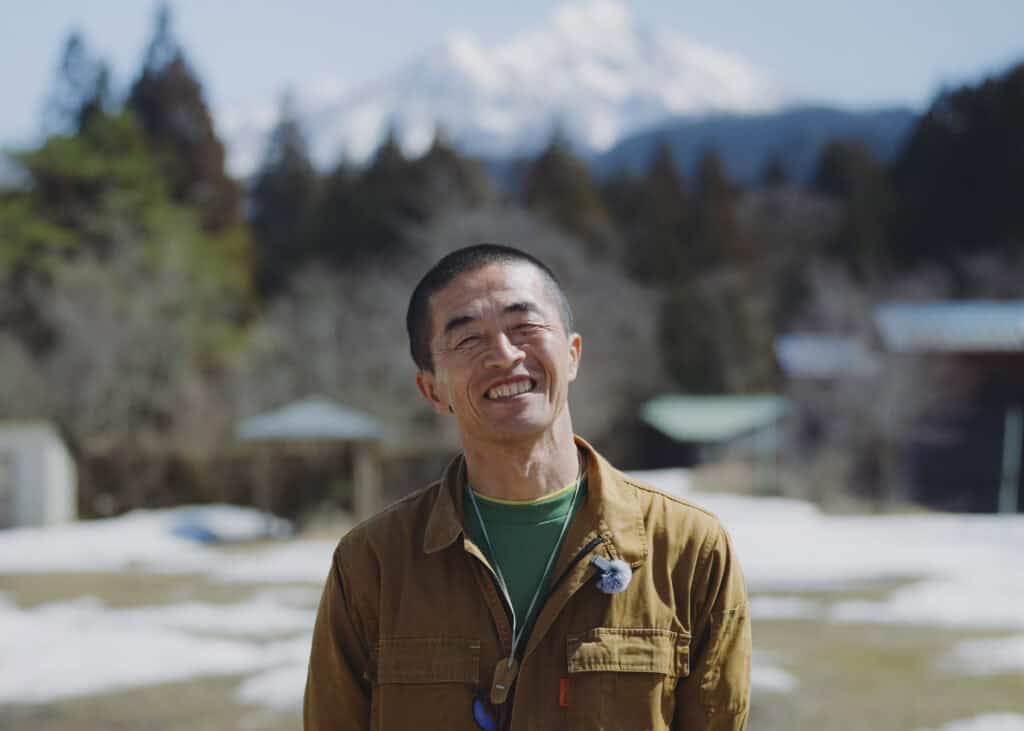
MEET THE ORGANIZER Ken Horaji
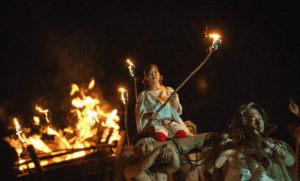
Originally from Tokyo, Ken Horaji moved to Oami around 30 years ago. What started as work became something more as he made the village his home. Today, as one of the festival’s key figures, he speaks candidly about its future. While there is a strong desire to preserve the festival, a shrinking and aging population makes that increasingly difficult. Outside participation is increasingly important, but it comes with one condition: an understanding of the festival’s meaning. We spoke with Ken to better understand what it represents.
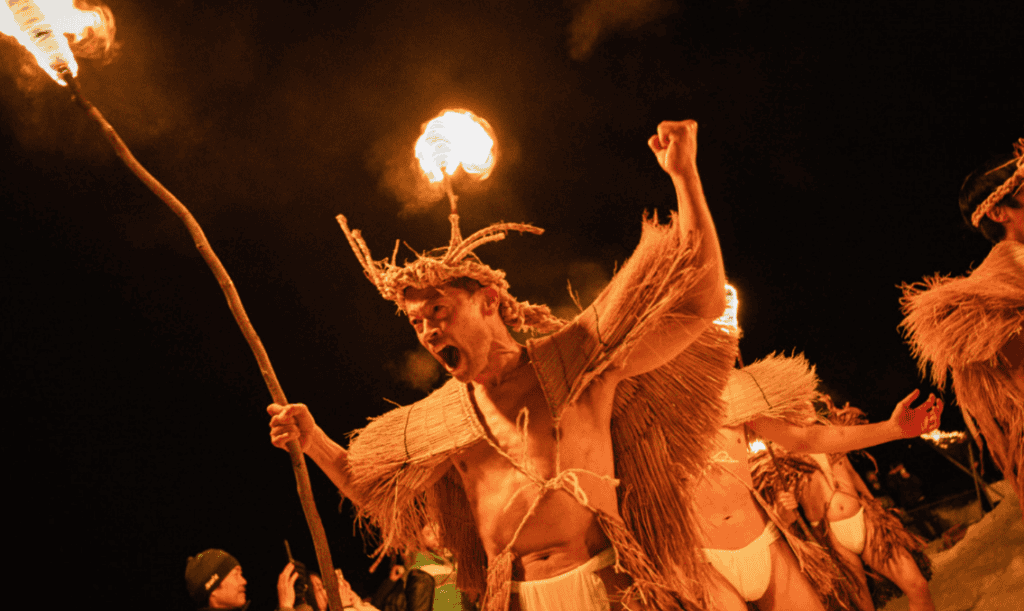
WHAT WAS THE MOMENT THAT MADE YOU FEEL RESPONSIBLE FOR PROTECTING THIS FESTIVAL? 27 years ago, I actually held my wedding here on the festival grounds. I had been coming to this village for about five or six years and when we decided to get married, I thought maybe we could borrow a small corner of the festival and make a simple vow in front of the gods. By chance, I mentioned it during a local gathering, and someone said, “Why don’t you do it at the snow festival?” At first, I imagined something very small. But people became excited, and before I knew it, we were placed at the center of the festival. Within the sacred space, we held a full wedding ceremony, including exchanging rings and vows. The community embraced and genuinely enjoyed it. Because I was allowed to do that, I felt a responsibility to protect and carry it on. That was a big moment for me.
SINCE YOU’RE ORIGINALLY FROM TOKYO, WHAT STRUCK YOU MOST ABOUT THE FESTIVAL CULTURE HERE? What surprised me was that people here create their own festival. When I was a kid in Tokyo, festivals were something organized by someone else. You just joined in. But here, it’s the village’s festival, and everyone plays a role in making it happen. That sense of people’s energy and emotion coming together felt really fresh to me.
DO YOU EVER STRUGGLE WITH BALANCING PRESERVATION AND CHANGE? It’s very difficult. This festival originally started as an event to attract visitors. Some of the older guys still say, “It’s just an event.” Maybe that’s why we were allowed to have our wedding in it. But over time, I’ve come to understand the intentions of the people who created it, and that makes me want to preserve it. So there’s always a tension—do we grow it as an event, or treat it as a sacred ritual that doesn’t need an audience? Everyone sees it differently, and there’s no clear answer. There’s also a generational gap. We’re constantly thinking about how to bring those different perspectives together.
HAVE YOU SEEN CHANGES IN PARTICIPATION IN RECENT YEARS? Yes, COVID had a big impact. The festival was suspended for three years. During that time, many of the older residents stopped coming or couldn’t participate anymore. So suddenly, the younger generation had to figure things out on their own. We realized there were a lot of things that had never been passed down. The first year back was honestly pretty worrying. But after a few years, things are finally starting to settle again.
HOW DO YOU VIEW PARTICIPATION FROM OUTSIDE THE COMMUNITY? Change is inevitable. Even what we’re doing now would probably look different to previous generations. But I hope people understand and respect the spirit that’s been built over the past 50 years. It’s up to our generation to pass that on.