There are over 3,500 recorded mascots in Japan, representing an array of institutions from public utilities and police departments to local businesses and banks. Not only are these characters cute, they are powerful tools for strengthening tourism.
What makes mascots irresistible is their personality. Each comes with a playful backstory linked to local history or cuisine, and many have devoted followings. Kumamon, the black bear from Kumamoto Prefecture, is the poster child of mascot success. His charm has attracted more than 800,000 followers on X, while his merchandise brought in over ¥150 billion in 2019 alone. Closer to home, the Hakuba Valley has its own set of mascots that celebrate local identity. Together they reflect the pride andcreativity of Nagano.
Nagano Prefecture
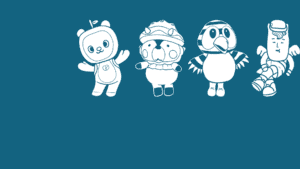
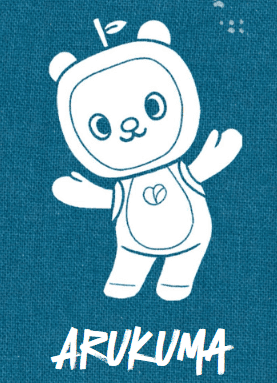
Meet Arukuma, Nagano Prefecture’s “walking bear,” whose wanderlust captures the spirit of local mountain exploration. Always sporting a trusty backpack, Arukuma loves touring the mountains and savoring local favorites like handcrafted soba and crisp mountain apples-two of Nagano’s most famous specialties. Despite his high-altitude adventurous nature, Arukuma is not a fan of the cold, and most often dons his signature apple-shaped hat to stay warm. Arukuma’s appeal extends far beyond regional borders: in 2019, Arukuma won Japan’s heart at the Yuru- chara Grand Prix, outshining nearly 800 competitors to claim the title of the nation’s most beloved mascot.
Omachi City
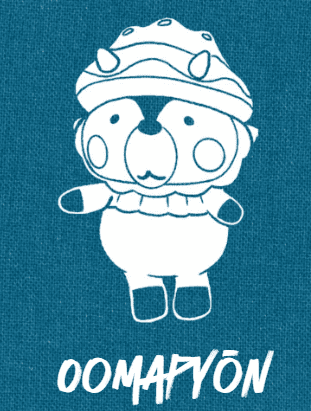
Oomapyon takes its name from Oma-chi, “Oma-” combined with the playful “pyon,” a Japanese onomatopoeia for hopping and bouncing that perfectly captures this character’s spirited nature. Inspired by the kamoshika, the unique Japanese serow and official animal of the city, Oomapyon embodies the wild beauty of the Northern Alps. Gentle and endlessly curious, this charming explorer delights in every adventure, from soaking in hot springs to sledding in fresh snow. The mountain-shaped crest on its head mirrors Omachi’s alpine peaks and clear waters. You’ll often find Oomapyon indulging in local specialities like oyaki dumplings and Kurobe Dam curry.
Otari Village
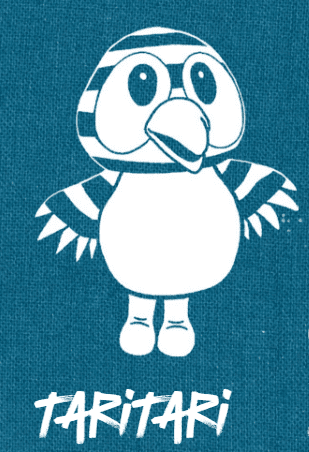
TanTari is Otari Village’s energetic little woodpecker, brimming with mountain spirit and local warmth. The name “TanTari” was chosen through a public contest and perfectly captures the rhythmic tapping of woodpeckers against the forest trees -_ a peaceful and defining sound in this comer of the valley. TaniTari loves hot springs, mountain trails, and bringing genuine joy to every encounter. He is known for flitting between local festivals and chirping cheerfully on the slopes. TanTar is welcoming visitors with a wave of its wing and a smile, sharing stories of the mountains and spreading a spark of adventure wherever it goes, always eager to brighten the day.
Hakuba Village
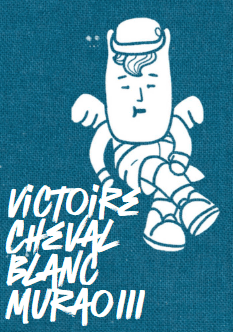
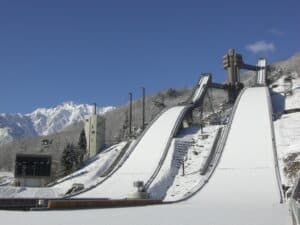
Victoire Cheval Blanc Murao III is the official mascot of Hakuba. His grand French name means “Victorious White Horse,” a perfect match for Hakuba, which literally translates to “white horse.” This friendly pegasus is said to have arrived in Hakuba during the Pegasus meteor shower of 2012, coinciding with the village’s 100th anniversary of skiing. Locals call him Murao, simply meaning “village boy.” Easygoing by nature, Murao believes love is more important than money and delights in sharing nature’s peace and happiness with visitors. Though aspiring to fly one day, Murao admits to being a little afraid of heights even on Hakuba’s famous ski jumps.