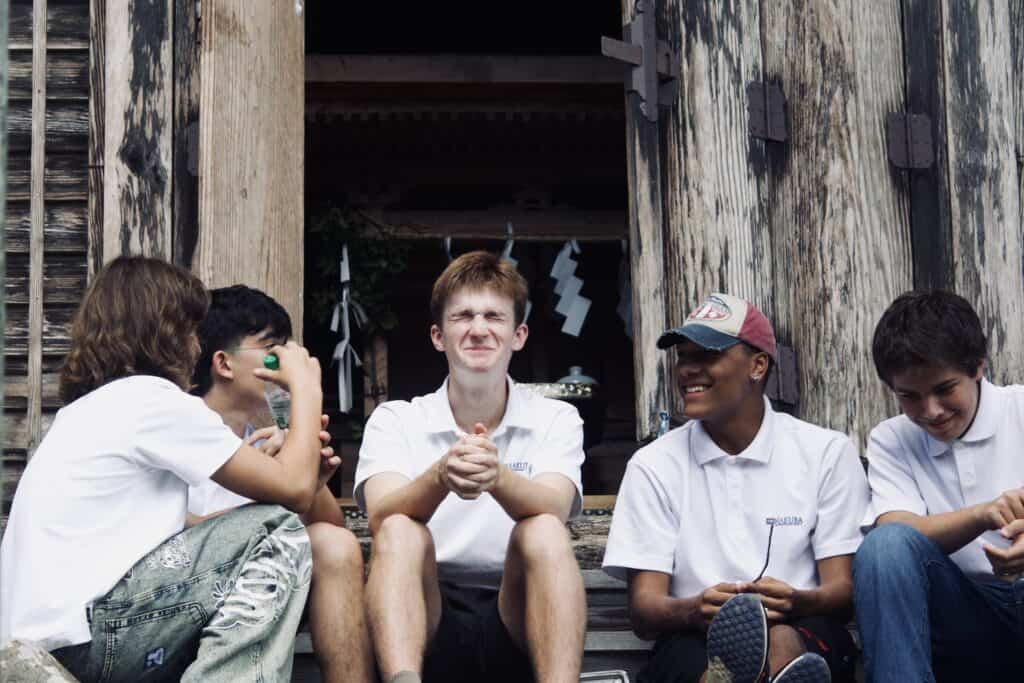
In a world that is increasingly fast, digital, and pressured, students need real experiences, meaningful challenges, and a sense of belonging. That’s exactly what students find at Hakuba International School (HIS).
“During my first marathon, I was close
to giving up, but the encouragement of
my classmates helped push me across
the line,”
says Yu Yang Lee, a Grade 10 student at Hakuba International School. In that moment, what once seemed impossible became achievable through the support surrounding him. When students are pushed physically, mentally, and emotionally—while being nurtured and empowered—they begin to realize they are capable of more than they initially thought possible.
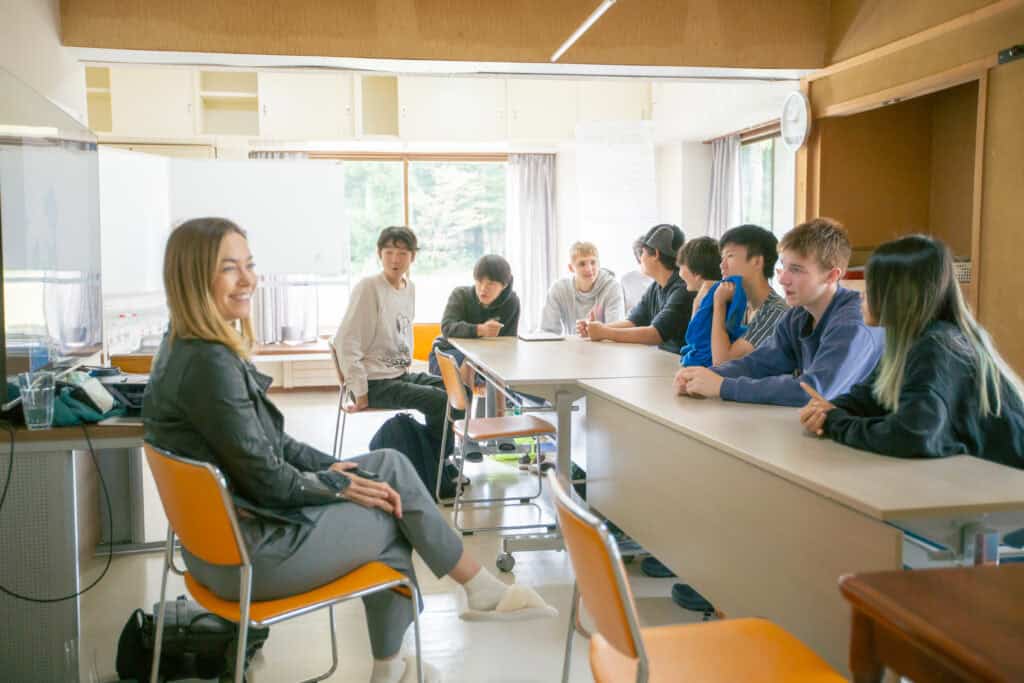
As Yu Yang explains, “The HIS community has supported my growth both academically and personally, encouraging me to pursue my interests and keep improving.”
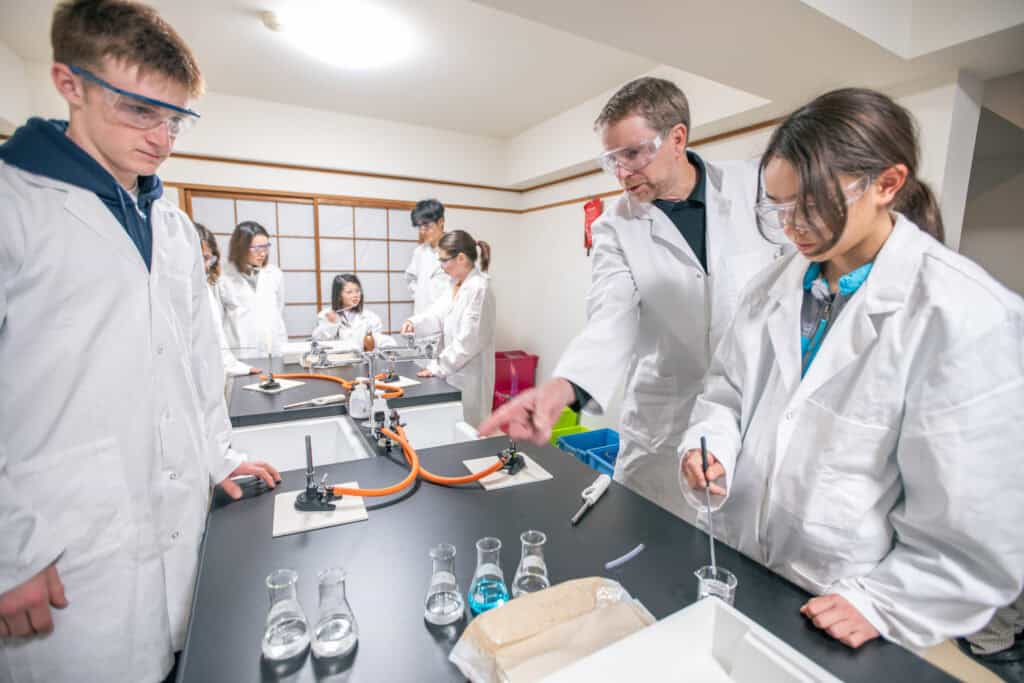
In many ways, Hakuba International School stands in contrast to what education can often look like today. Now more than ever, students are living their lives indoors, within the confines of a screen. Learning can be abstract, detached from real experience, with little room for failure, pause, or true self-discovery. At HIS, the educational approach challenges this way of learning, placing students in settings where learning is lived, not just taught. That’s where things start to look a bit different.
You notice it in small ways at first. The shift becomes most visible when students are placed in completely unfamiliar settings, where comfort is removed and growth becomes unavoidable. When Illia, a Grade 11 student from Ukraine, arrived in Hakuba, it was an entirely new environment, country, and community for him to navigate.
“When I first arrived at HIS, everything
felt new—a new country, new people,
and a completely different
environment.”
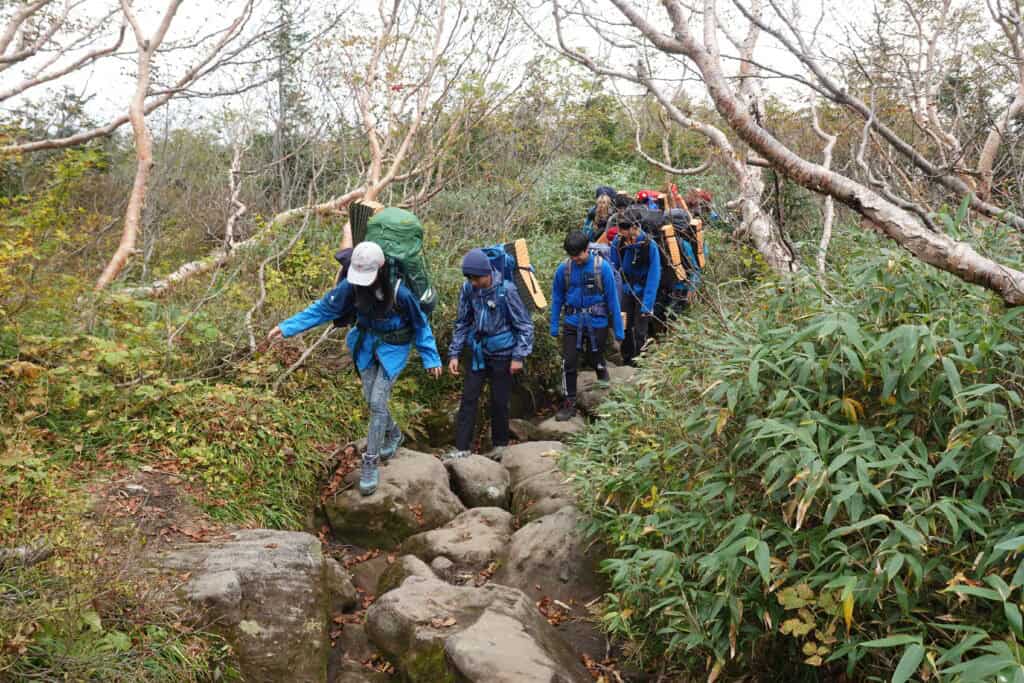
A key tenant at HIS is that discomfort isn’t accidental; it’s designed. Whether it’s learning to cook for themselves, contributing to community clean-up days, or navigating outdoor environments that are unfamiliar and at times physically challenging, students are regularly placed in situations that require them to adapt. When paired with the supportive ecosystem carefully built and nurtured within the school, these moments create opportunities for students to begin defining their sense of self—you can almost see that shift happening in real time.
“Being at HIS has encouraged me to try
new things and explore my interests in
ways I never expected.”
Growth here goes beyond adapting to new environments and includes discovering who you are within them. For many students, that begins with stepping beyond the fear of getting things wrong.
“I never thought a high school class
could change how I see myself. When I
first began exploring fashion design, I
was unsure, hesitant, and afraid to
make mistakes.”
Said Isha, a grade 11 student. But with time, support from her guide, and the freedom to experiment, that uncertainty began to shift. Now Isha’s ideas have turned into sketches, a reflection of her skill and growing confidence to follow her passions.
For some students, this environment doesn’t just support growth; it accelerates it. Captain, a Grade 8 student, has already begun turning passion into tangible progress through downhill riding. “HIS gives me the opportunity to follow my dream to become a professional downhill rider,” he explains, describing how consistent time outside the classroom allows him to actively develop his skills. With access to competitions and the support to pursue them, he has already achieved a top 15 finish in his first race. In a place where practice, environment, and encouragement align, ambitions that might otherwise feel distant begin to take shape.
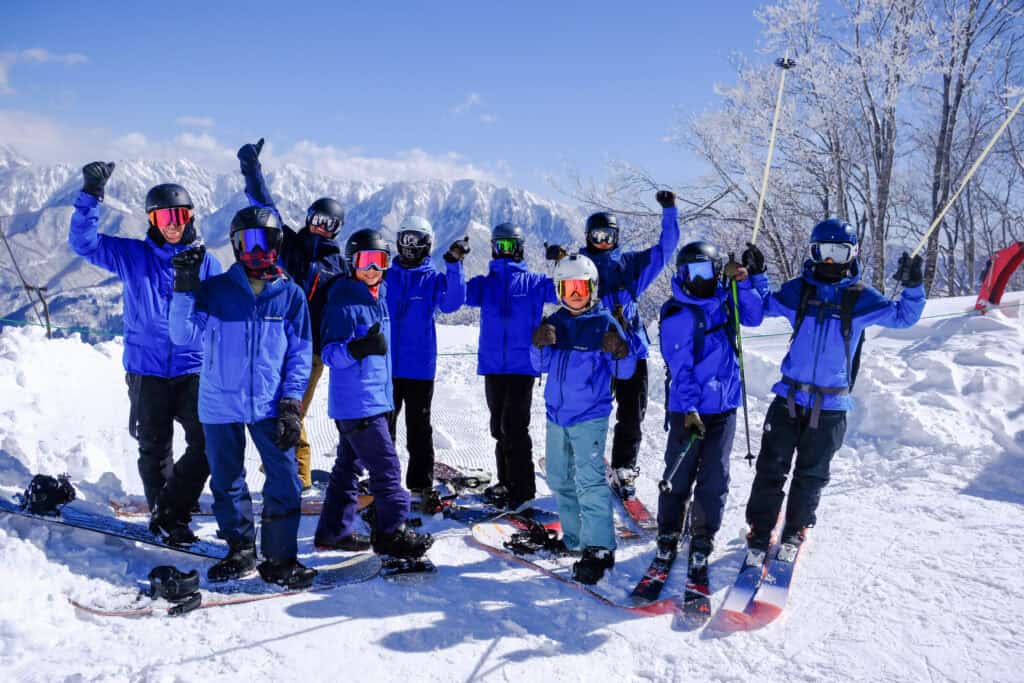
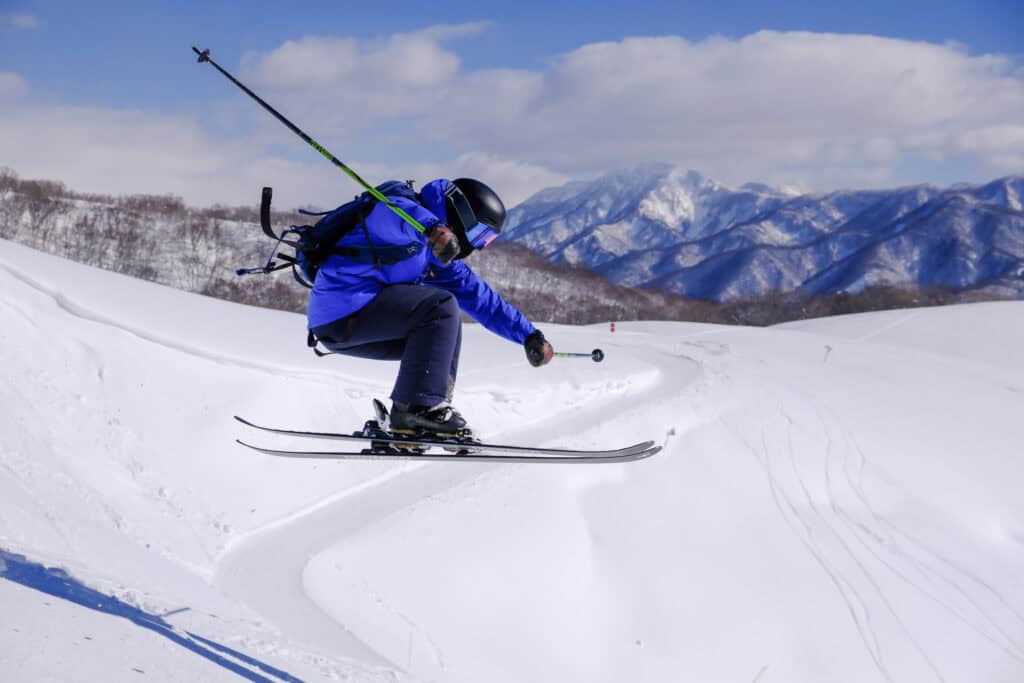
Mike, a Grade 11 student, describes his time in Hakuba as “the biggest factor in my growth as a snowboarder.” Living and learning here has allowed him to ride almost daily, turning progression into part of his routine rather than something occasional.
Surrounded by high-level riders, including former Olympians, he explains that it “raised my standards and changed how I approach riding.” With the support and flexibility of school, he has been able to balance training alongside academics—progressing to a level where he has earned sponsorship in snowboarding. But for Mike, growth doesn’t stop there. “I’ve never really felt satisfied,” he reflects, a mindset that continues to push him to improve and pursue the same level in downhill mountain biking. These aren’t isolated successes. This is what’s possible when environment, community, and opportunity come together.
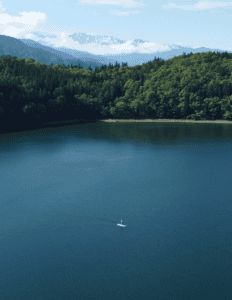
Hakuba has a way of shaping students that no classroom can replicate. The mountains are on their doorstep, changing with the seasons. Winter brings its own set of challenges, summer its own adventures, and somewhere in between, students stop observing nature and start living in it.
At the same time, Hakuba offers something increasingly rare: a slower pace of life. Removed from the constant noise and distraction of more urban environments, students have the space to pause, reflect, and process their experiences. This balance of challenge and stillness creates the conditions where growth can take place naturally.